
Infection Control and Equipment Stewardship
For safe PoCUS use, clinicians are also responsible for maintaining appropriate infection control practices and ensuring ultrasound equipment is handled and maintained correctly.
Infection Control
Ultrasound machines and probes should be cleaned and disinfected before and after each patient encounter. This includes both the transducer and machine surfaces that are frequently touched during scanning, such as the keyboard, controls, screen, handles, and cart. Although cleaning and disinfection may be overlooked in busy clinical environments, particularly when PoCUS is used in emergent situations, maintaining appropriate infection prevention and control practices remains the responsibility of every user. Visible blood, body fluids, or other contamination should always be cleaned immediately. Even when contamination is not apparent, routine cleaning and disinfection should be performed regularly. The level of cleaning and disinfection depends on the intended use of the transducer and the risk of infection transmission associated with the examination or procedure (Figure 4).
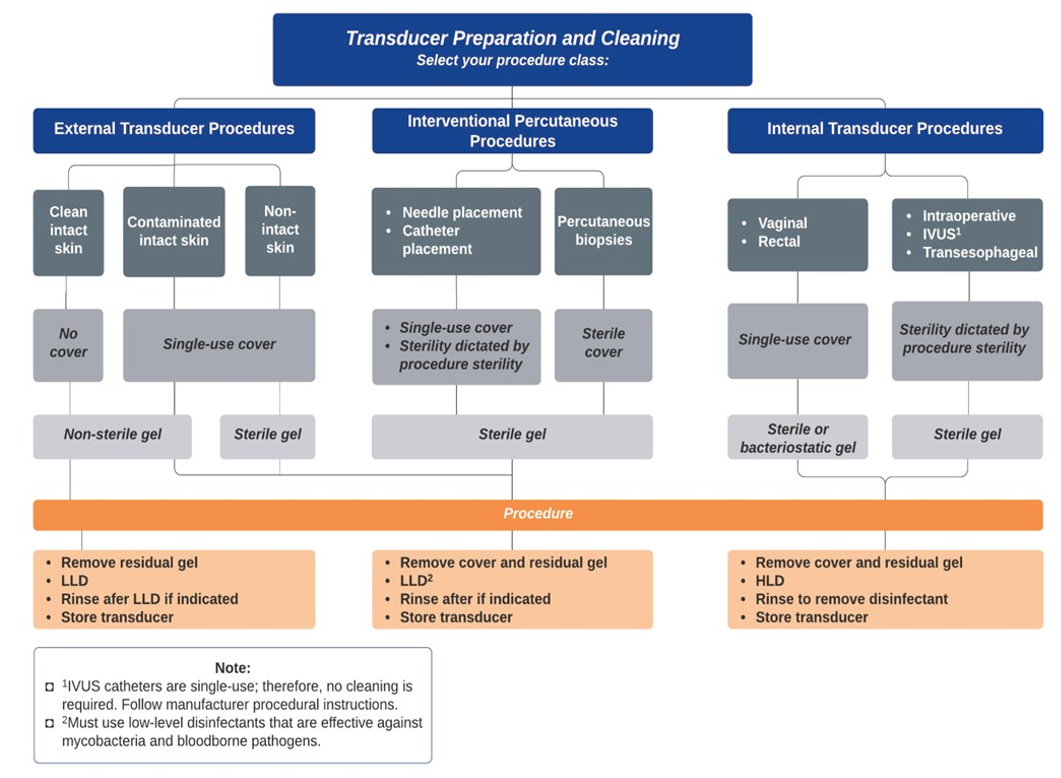
Figure 4. AIUM recommendations for transducer preparation, probe cover use, gel selection, and post-procedure disinfection requirements based on the type of ultrasound examination and level of tissue contact. LLD = low-level disinfection; HLD = high-level disinfection; IVUS = intravascular ultrasound; TEE = transesophageal echocardiography. Source: American Institute of Ultrasound in Medicine (AIUM), 2025 [15].
Key Points for Equipment Infection Control & Stewardship
· Use probe covers and sterile gel when indicated by the procedure or patient population.
> Sterile gel is recommended for neonatal imaging, critically ill pediatric patients, and for examinations involving mucous membranes (endovaginal, endotracheal) or immunocompromised patients [7].
· Clean and disinfect equipment using approved products/wipes in accordance with local policies and manufacturer/local guidelines; and never spray directly onto the equipment [14].
· If available, use high-level disinfection when indicated following invasive procedures.
· Handle probes and cables carefully to prevent damage; store probes in their designated holders.
· Take care not to run over transducer cables with the machine, chairs, or other equipment
· Inspect equipment for damage or image-quality problems and report concerns according to local procedures.
· Return portable/handheld devices to charging stations when examinations are complete
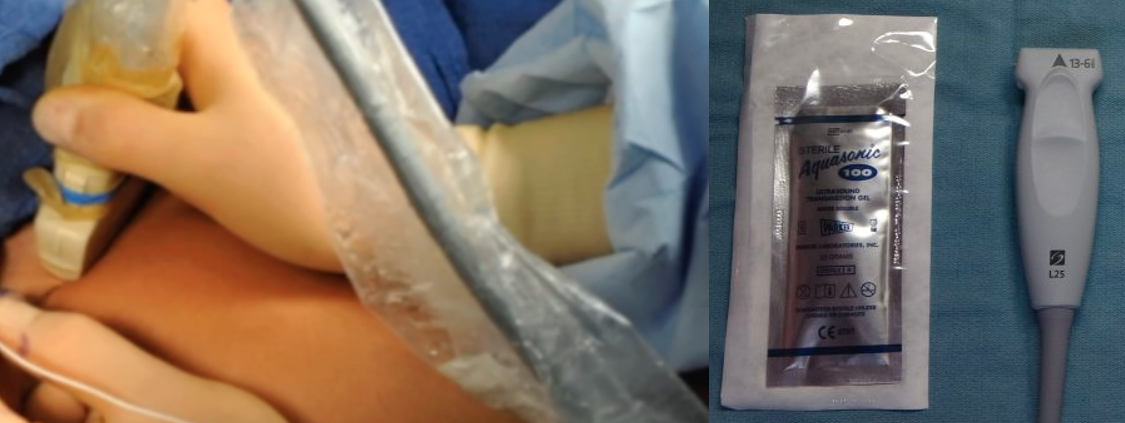 Figure 5. (a)Probe cover and (b)sterile gel
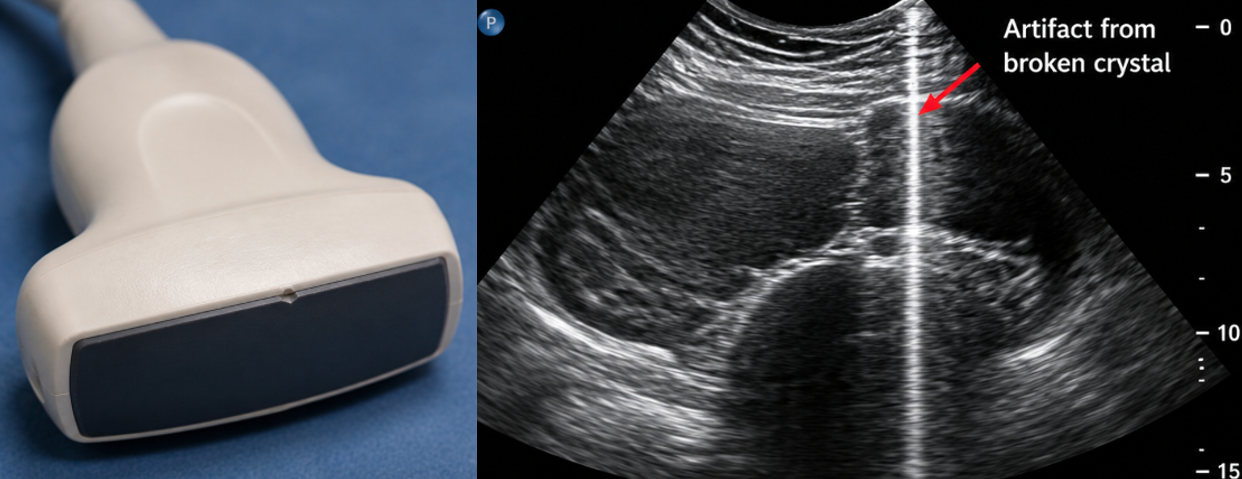 Figure 6. A ) Damaged probe and B) Imaging artifact from broken crystal